In the dense, boggy pine forests of central Latvia, less than 200 kilometres from the Russian border, NATO forces have collided with the terrifying, fast-evolving reality of next-generation drone and robotic warfare.
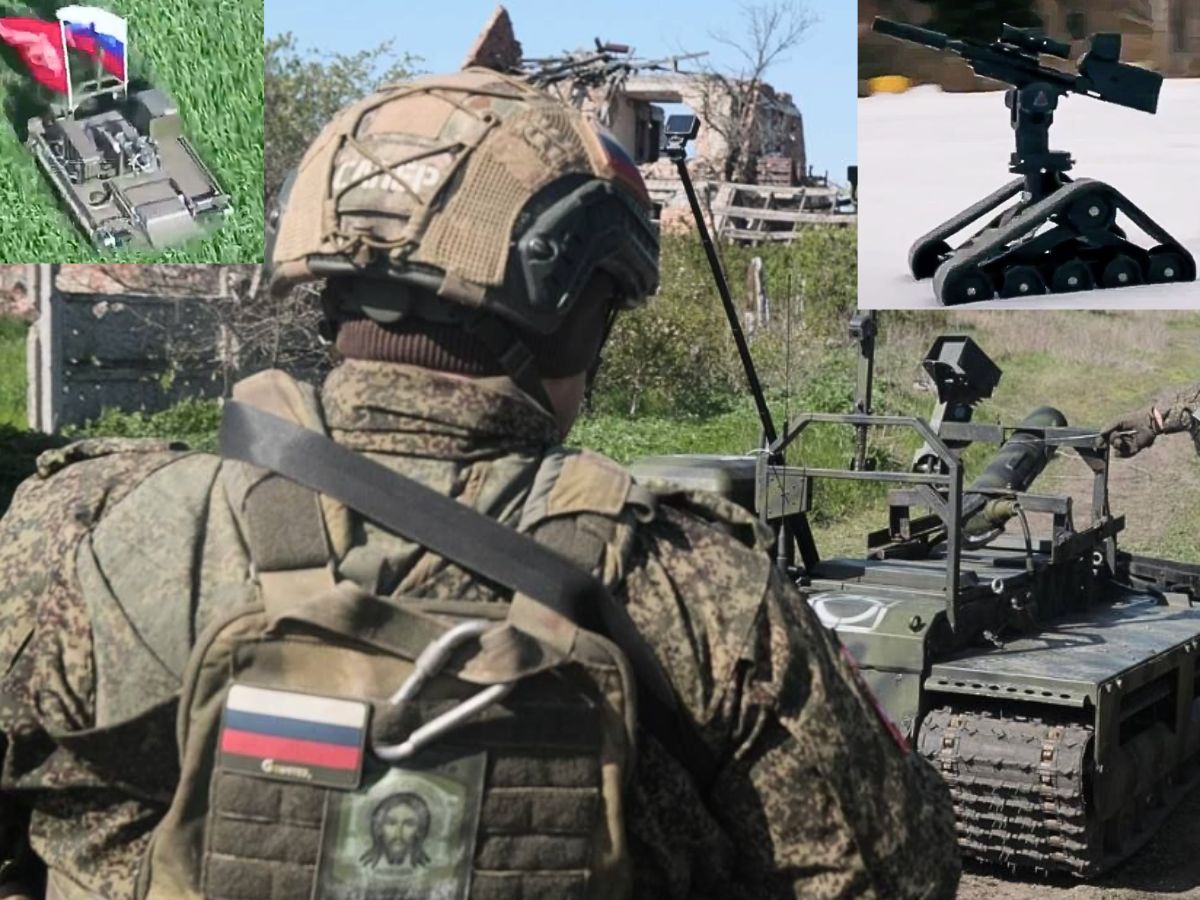
During the alliance’s high-stakes “Crystal Arrow 2026” military exercises, conventional troops operating aerial drones suddenly found themselves in an asymmetric, unfair fight against an entirely new breed of adversary: Russia’s combat-ready Unmanned Ground Vehicles (UGVs).
NATO troops deliberately deployed wheeled and tracked ground robots to equip the “red” opposing force, delivering a jarring wake-up call to the “blue” friendly forces who were completely blindsided by an enemy that does not bleed, breathe, or show up on traditional thermal scanners.
Soldiers from Latvia, Canada, and other NATO-allied states, for the first time, applied what they called ?remote warfare” to the battlefield, guided by the Ukrainian armed forces and military tech.
According to reporters on the ground covering the large-scale Baltic exercise, the kinetic phase completely transformed how the Western military alliance views frontline defences. Armed ground drones, operating alongside overhead reconnaissance Unmanned Aerial Vehicles (UAVs), pushed back the flanks of the friendly troops without a single drop of direct troop-to-troop contact.
“We specifically, deliberately employed the UGVs here with the opposing forces to allow the friendly forces to understand what the threat was, and how they would counter that,” Brigadier General Chris Gent, Allied Land Command’s deputy chief of staff for transformation and integration, told reporters.