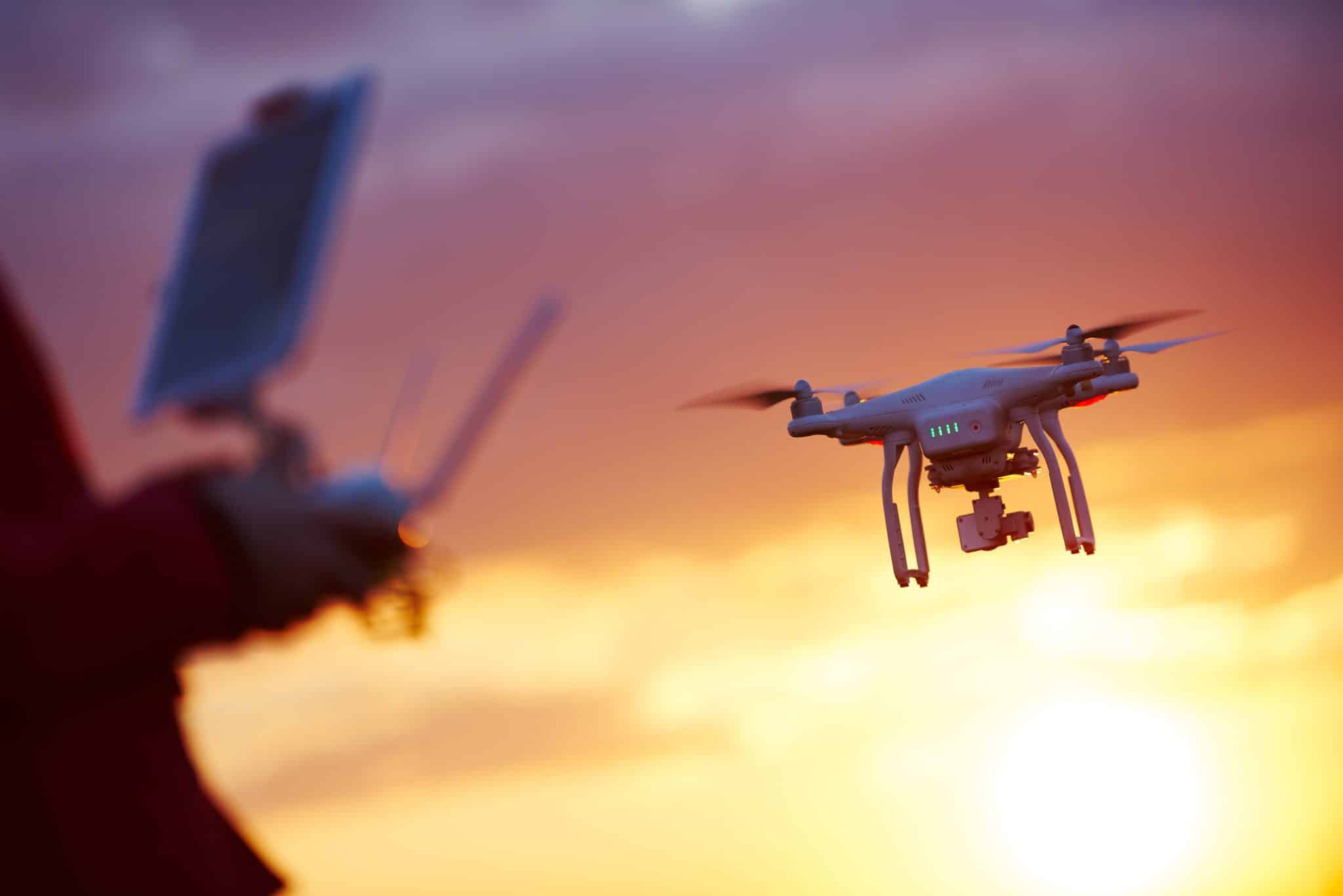
Law enforcement drone programs are moving from specialized public safety tools into a broader surveillance infrastructure that can put aerial cameras, live video feeds, automated tracking, and data sharing into routine policing.
Across the country, agencies describe drones as tools for search and rescue, crash reconstruction, tactical support, missing person cases, barricaded suspects, disaster response, and officer safety. Those uses can be legitimate and, in some cases, lifesaving.
A drone can get eyes on a dangerous scene without sending officers into it and can help firefighters assess a burning building, help rescue teams search difficult terrain, or give commanders a wider view of an emergency.
But the same capabilities that make drones useful in emergencies also make them powerful surveillance tools. A drone can hover over a neighborhood, monitor a protest, track a vehicle, record people moving through public space, or stream video into a command center.
Funding is one reason the technology is spreading quickly. Police drone programs can be paid for through ordinary municipal budgets, federal grants, state homeland security programs, private donations, police foundations, asset forfeiture funds, or vendor pilot programs. “This funding patchwork matters because each funding route can bypass or dilute public debate.
A city council may approve a small drone purchase as a public safety expense without fully considering the data systems, analytics software, retention policies, or future integrations that come with it. A department may start with a limited use case and then expand operations once the aircraft, operators, policies, and vendor relationships are in place.
Published on 5/13/2026