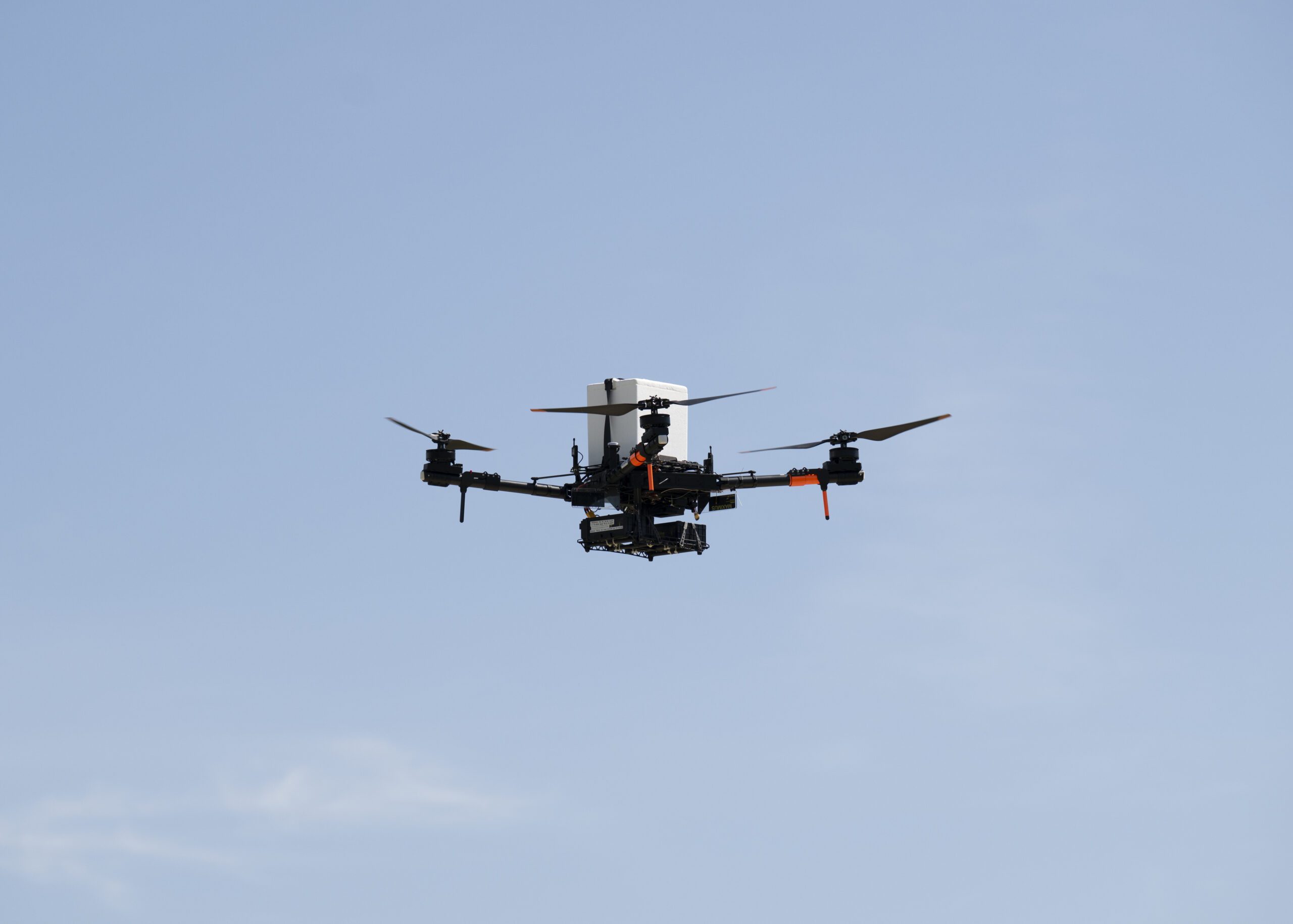
A new research collaboration between the United Network for Organ Sharing (UNOS), NASA Langley Research Center, and LifeNet Health has demonstrated the successful transportation of human kidneys by drone beyond visual line of sight (BVLOS), marking a significant step in exploring new methods for organ transportation.
The study, conducted on June 5 in Virginia, evaluated whether drone transportation could support future advances in transplant logistics. Researchers transported donated human kidneys by drone during approximately 15-minute flights while monitoring environmental conditions and organ integrity throughout the process.
According to the organizations involved, the flights were designed to assess whether drone transportation could help improve reliability and efficiency in the movement of organs used for transplantation.
Researchers biopsied the kidneys and placed them on preservation pumps both before and after the flights. The teams monitored temperature, pressure, and altitude throughout the operation.
“With more than 100,000 people currently waiting for a lifesaving transplant nationwide, innovation in organ transportation is essential,” said UNOS Interim CEO Mark Johnson. “This successful collaboration represents an important step toward making organ transportation safer, faster and more efficient.”
The kidneys used during the study were donated for research through LifeNet Health after medical teams determined they would not be used for transplantation. Researchers used the organs to evaluate how drone transportation may support future improvements in preservation and logistics.